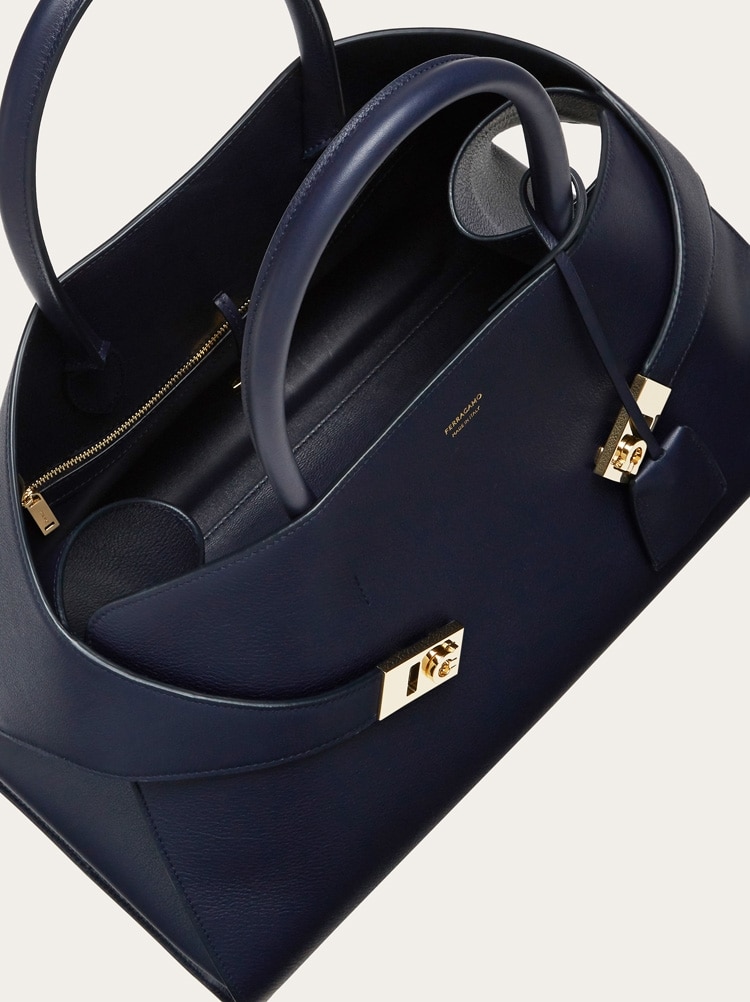
Ferragamo Bag Care 101: Keeping Your Prized Bag Flawless
A Ferragamo bag is not a spur-of-the-moment buy. It’s a deliberate, thought-through purchase, usually the product of months of deliberation, so this is exactly the reason post-purchase care ends up mattering enormously. Whether you’ve opted for a boxy top-handle design or perhaps a more relaxed shoulder style, the leather, hardware, and construction were designed to hold up for decades provided you do your part. Over almost a hundred years, Salvatore Ferragamo has built its name on skilled craftsmanship, and that reputation only holds up provided owners know exactly what upkeep their bag calls for. This guide runs through the realistic, unglamorous maintenance routines that help a Ferragamo bag stay nearer to its original state than to five years of wear.
Plenty of people approach luxury leather pieces the same way they’d treat disposable fast-fashion items: acquire, use, forget, swap out. A Ferragamo bag calls for another mindset entirely. Small habits — how you store it, what you wipe it with, how you handle rain — compound over the years into a visibly better-preserved piece. No specialist knowledge is needed. It requires consistency.
Understanding What You’re Actually Caring For
Before diving into products and routines, knowing the materials at hand makes feragamo a real difference, since Ferragamo bags vary considerably. The house works across smooth calfskin, saffiano-textured leather, suede, and exotic-effect finishes, and every one reacts differently to wear and strain. Smooth calfskin totes scuff in a different way from saffiano-textured pieces, while suede sections call for a completely different care approach than polished leather. Refer to the care card or authenticity paperwork included with your purchase — at purchase, Ferragamo generally supplies guidance tailored to the specific material, so hold onto that card instead of discarding it with the packaging.
Metal fittings are the second factor often ignored. Many Ferragamo bags carry the signature Gancini clasp or other metal fastenings finished in gold-tone, palladium, or ruthenium plating. These finishes can tarnish with prolonged exposure to moisture, perfume, or skin oils, which is why a quick wipe-down of the hardware with a dry microfiber cloth after every wear pays off disproportionately. Interior fabric — often a branded jacquard or canvas — likewise needs occasional attention since spills and pen ink transfer more easily there than on the exterior leather.
Understanding your bag’s particular build shapes how you handle every step that follows, from cleaning products to storage humidity. It’s the difference between generic advice and care that actually protects the piece you own.
Daily and Weekly Habits That Prevent Damage
The majority of damage suffered by a luxury bag rarely occurs in a single catastrophic event — it piles on through small daily neglect. Resting it on coarse ground, dropping it in a car seat crevice, or letting it absorb sweat and lotion residue from bare arms all exact a slow cost. A simple rule: regard the corners and base as the most exposed areas, since they take on the greatest friction and contact.
- Go over the exterior with a dry, soft cloth after each use to clear away dirt, oils, and surface residue before it settles into the leather grain.
- Refrain from setting the bag straight onto the ground, particularly in eateries, airports, or transit systems, where grit and moisture cause the most cosmetic wear.
- Alternate which arm or hand holds the bag to distribute strap and handle wear evenly rather than concentrating stress on one attachment point.
- Empty the bag once a week to check for pen leaks, spilled makeup, or crumbs that can stain lining fabric if left unattended.
- Store receipts, keys, and metal objects in a separate pouch inside the bag to avoid abrasion with the interior leather or hardware.
Not one of these tasks takes more than a couple of minutes, but neglecting them repeatedly is how a two-year-old bag ends up looking older than it should. This kind of consistency is cheap insurance against far more expensive repairs later.
Cleaning Leather, Suede, and Metal Fittings the Right Way
Cleaning method depends completely on the fabric type, and using the wrong product can lead to harm that’s nearly irreversible. For fine calfskin leather, a leather-specific cleaner applied sparingly with a gentle cloth, then finished with a leather conditioner periodically, maintains suppleness and helps prevent cracking. Avoid using household cleaning products, baby wipes, or alcohol-based solutions on fine leather — these strip away the leather’s natural oils and can dull the finish permanently.
Saffiano-textured leather is less sensitive with light moisture because of its textured, coated finish, but it still shouldn’t be soaked or scrubbed aggressively. A lightly moistened microfiber cloth then immediate drying with a second dry cloth is usually sufficient for surface-level stains. Suede is the trickiest material in the Ferragamo lineup to care for; it calls for a specialized suede brush used in one direction to remove dirt, and any liquid stains should be dabbed right away rather than scrubbed, which only pushes the stain further into the fabric’s texture.
Care is still required, even though tending to the metal fittings is more straightforward. A dry microfiber cloth takes care of routine upkeep, and if tarnish builds up, a purpose-made metal-jewelry cloth — never a chemical polish — brings back shine without stripping plating. If there’s doubt about whether damage is too severe for at-home methods, professional leather restoration services experienced with luxury handbags are a safer bet than experimenting yourself. Lasting damage most often occurs when self-attempted repairs are used on something this valuable.
Why Proper Storage Maintains Form Intact
The way a bag is stored when not carried matters almost as much as how it’s cleaned. Bags with structured shapes need inner reinforcement to stop the base and sides from caving in or wrinkling as time passes, so filling the inside with acid-free tissue paper or a purpose-made bag pillow before storage maintains shape much better than storing it empty. That dust bag from your purchase serves more than a packaging role — it guards against dust gathering and superficial scratches from other items in a closet or shelf.
Fluctuations in humidity and temperature are the silent enemies of leather goods. Storing a bag in a damp basement or a hot attic accelerates drying, cracking, or mold growth on both the leather and the interior lining, so a climate-stable closet is the safer environment. Sunlight causes uneven fading and color change, especially with paler leather tones, so keep bags away from windows or direct light sources even when displayed rather than fully stored away.
Suspending a heavy bag from its handles over long stretches can warp or misshape the handle shape, so laying it flat or storing upright with proper internal support is generally the better call for pieces with fine handle stitching. For those with multiple bags, switching between pieces rather than relying on a single favorite also gives each bag recovery time between wears, which is more important for long-term structure than most assume.
How to Manage Rain, Spills, and Ordinary Mishaps
The weather can be unpredictable, and even the most careful owner will at some point be caught out by rain with a Ferragamo bag in hand. A small amount of dampness on smooth or saffiano leather can in most cases be patted immediately with a dry cloth and allowed to dry on its own, away from direct heat sources like radiators or hairdryers, which can cause the leather to harden or split. Suede, by contrast, reacts far more poorly to moisture and should be treated with a protective spray ahead of wearing it out in changeable weather, given that avoiding the problem beats trying to correct it afterward.
Spills from drinks, food, or cosmetics happen more often than anyone likes to admit, and speed matters more than force when dealing with them. The moment liquid spills, blot it — rubbing should be avoided with a clean, absorbent cloth, starting at the perimeter of the stain and working toward its center to avoid spreading it further across the leather or lining. Ink is notoriously difficult to remove and often call for expert treatment instead of DIY fixes, since applying alcohol-based cleaners the wrong way can permanently stain the leather.
For color transfer from denim or dark clothing, a common complaint with lighter-colored bags, gentle leather cleaner applied promptly usually resolves the issue before it sets in permanently. Delaying treatment by just a few days can turn an easy cleanup into a stain that calls for a specialist’s help. When in doubt, assume any incident needs prompt handling rather than a problem to postpone.
Contrasting Care Needs Across Popular Ferragamo Bag Styles
Not every Ferragamo bag demands identical upkeep, and being aware of the variations helps prioritize where to spend your maintenance effort. The chart beneath this outlines general care considerations across typical style groupings found at any Ferragamo shop or when browsing Ferragamo bags overview pages online.
| Style of Bag | Primary Material | Primary Maintenance Concern | Storage Recommendation |
|---|---|---|---|
| Structured top-handle style | Fine-grain calfskin | Applying conditioner so handles don’t crack | Stored upright with internal support, covered by its dust bag |
| Go-to tote bag | Textured saffiano leather | Wiping away light dampness and inspecting the base corners | Kept lying flat and never overpacked |
| Slouchy shoulder bag | Suede or soft leather | Regular brushing and prompt stain blotting | Packed with tissue and stored away from direct light |
| Small crossbody style | Leather paired with metal hardware | Polishing hardware and rotating strap wear | Stored in a drawer inside its dust bag, not stacked |
This comparison is a starting point rather than an exhaustive rulebook, since individual pieces within each category can vary based on the finish applied and the year it was made. Nonetheless, it illustrates why one universal care approach seldom suits across an entire collection of Ferragamo bags, and why it pays more to follow your item’s actual care card than broad advice found online.
Choosing and Maintaining From Among the Best Ferragamo Bags
At the point of purchase, resilience and simple care typically matter as much as aesthics for shoppers searching for top Ferragamo bags or top Ferragamo bags to invest in, even if design tends to win out. Structured designs in smooth or saffiano leather tend to be more tolerant for everyday wear and travel, simply because they hide minor wear more effectively than suede or light-toned pieces. If you’re deciding between a few options at a Ferragamo shop, be upfront about material upkeep expectations before buying — store staff are typically well-versed in this and can offer honest guidance.
Within the best Salvatore Ferragamo bags, the ones that wear in most beautifully tend to exhibit similar qualities: premium-grade leather that takes well to conditioning, fittings that stay tarnish-free, and build that keeps its form without excessive internal stuffing. These aren’t guarantees against damage, but they are indicators that a bag will forgive minor lapses in care more readily than a delicate suede piece would.
At the end of the day, the «best» bag is the one whose maintenance demands suit your real-world habits. A frequent traveler is better matched with a structured calfskin or saffiano piece than a pale suede bag that shows every water spot. Matching material to use case before purchase is, in many ways, the first and most important step in long-term bag care — long before you ever pick up a cleaning cloth.